



My husband and I sat down for the premiere of a reality dating show about a decade and a half ago, mostly because we knew a friend of a friend of that season’s leading man. He walked out into a planted corn field carrying a scoop shovel, and my husband just about came off the couch. “Now what in the hell would he need a scoop shovel for?” he said. “That field’s already planted.”
It was a small moment. A dumb one, even. But it stuck with me, because it was such a perfect little snapshot of how rural America gets handled by the rest of the country. Quaint. A little backwards. A prop for somebody else’s storyline. And every election cycle, every trend piece, every policy paper, I watch it happen again on a bigger scale.
A Place That’s Been Talked At, Not Talked To
Politicians fly in before elections and disappear after. Economists study us from a distance and hand down verdicts. Journalists parachute in for a trend piece and leave before the ink dries. Everybody has an opinion about what rural America needs, what it’s missing, why it’s struggling. Almost nobody talks about what it actually is.
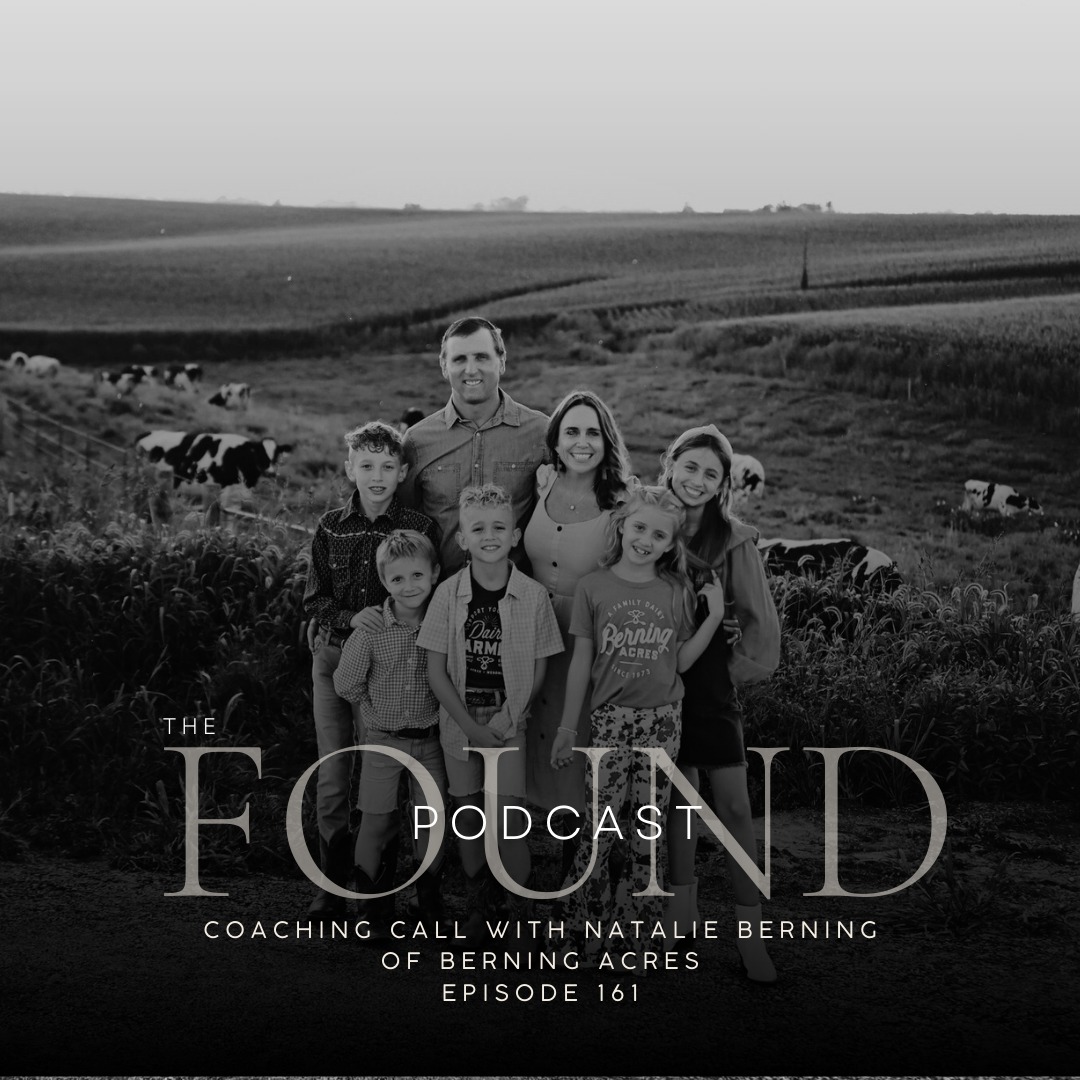
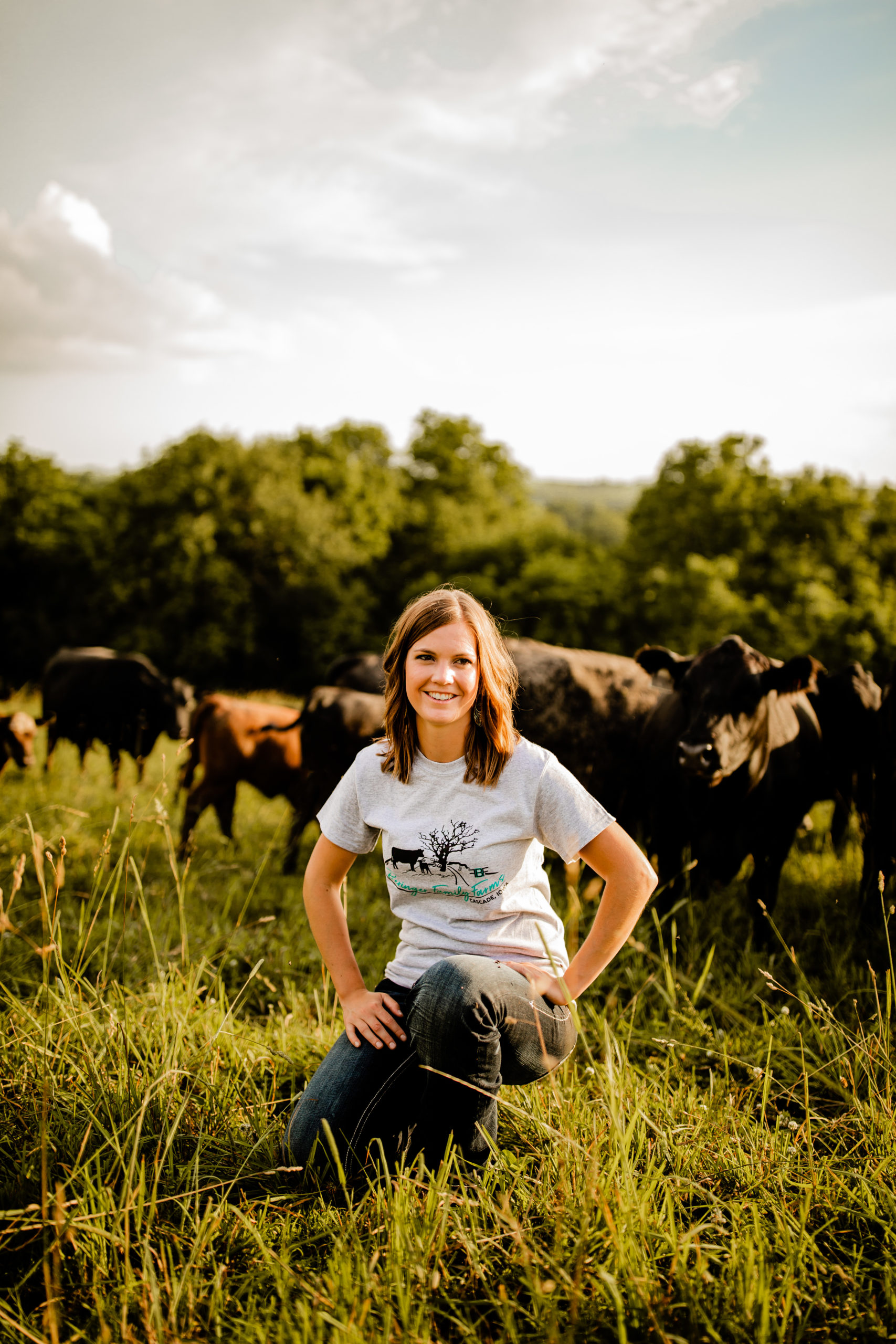
So I decided to. Seven truths, grounded in data and in the life I actually live on a farm in Cascade, Iowa, population right around 2,000.
It’s Not Dying. It’s Deciding.
The story you’ve probably heard is one of irreversible decline: shrinking populations, emptying main streets, the lights going out one town at a time. Here’s what that story leaves out. Rural America contributes 2.7 trillion dollars to the U.S. economy, roughly 10 percent of the whole thing. Net migration into rural counties has been positive since 2020, with 135,000 people moving into rural counties between 2023 and 2024 alone. Rural GDP grew 15 percent between 2010 and 2022, right in line with our urban counterparts.
I’ve watched this happen in real time in my own town. Kids who grew up in Cascade, moved away for college and careers, and then came back the second they started having kids of their own. They wanted the small class sizes. They wanted their kid’s teacher to know their name. They wanted to be part of something instead of just another face on a sidewalk. That’s not decline. That’s a whole lot of people making the same choice on purpose.
The Most Underestimated Entrepreneurs in America
Small businesses make up 56.6 percent of employment in rural areas, compared to 47 percent in urban ones. Nearly 85 percent of rural business establishments are small businesses. Two thirds of them are considered low credit risk, and yet 40 percent still can’t get the funding they apply for, while the number of rural community banks has dropped nearly half since 1994.
I think about the businesses on our own Main Street here in Cascade. The salon. The home decor shop. The bar and restaurant that’s been there longer than I have. Then I think about the manufacturers out in our industrial park, second and third generation family owned, running three shifts, competing on a national scale, without a single venture capitalist or angel investor ever walking through their door. They built all of it themselves, in one of the hardest environments in the country to build a business. That’s not a struggling entrepreneur. That’s an extraordinary one.
Community Is the Business Model
There’s a version of business culture, mostly imported from Silicon Valley, that treats community as a nice-to-have. A value statement for the website. In a small town, community isn’t a value statement. It’s the whole operating system.
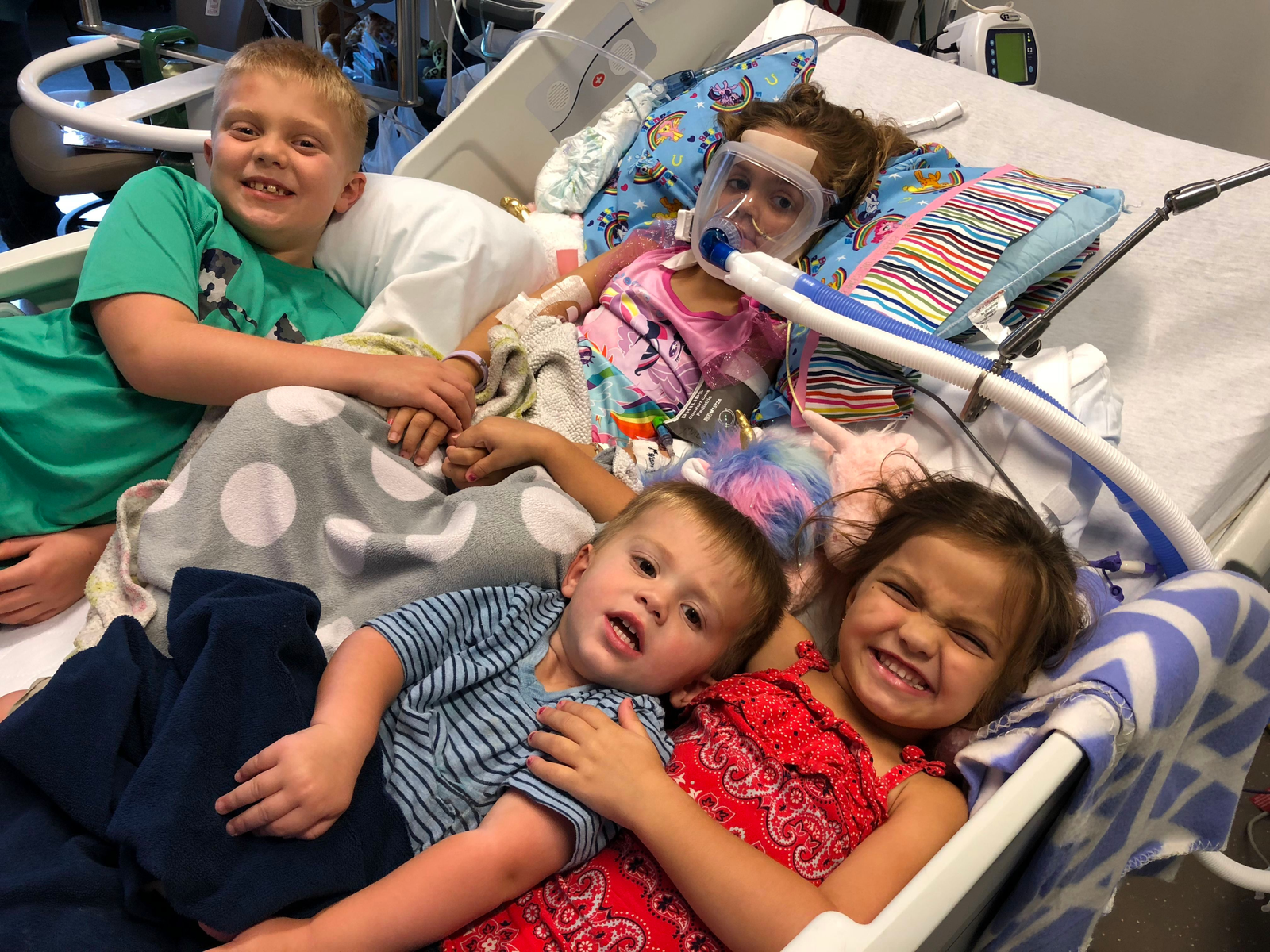
One in three Americans volunteer with a local organization in a given year, and rural residents have historically volunteered at even higher rates than their urban counterparts. You cannot outsource your neighbor’s needs to an app. You just show up, or things don’t get done. I lived this in 2018, in the very early days of my business, when my daughter had a medical event that kept us in a hospital an hour away for five weeks and pediatric rehab for three more after that. My clients, almost all of them local, told me without hesitation to go be where I needed to be. Meals showed up on our doorstep. People we barely knew helped watch our other kids. That kind of showing up doesn’t happen in a comment section. It happens because you live somewhere that still requires it of you.
Rural Values Are Just Human Values
Here’s the one I know will ruffle some feathers, and I’m saying it anyway. The desire to be seen, to have someone in power acknowledge that the place you chose to build your life is worth investing in, isn’t a conservative value or a liberal one. It’s a basic human need. Rural communities felt invisible for so long that when someone finally showed up and said I see you, they responded. The tragedy isn’t that they responded to being seen. The tragedy is that being seen became a partisan act instead of a baseline expectation.
Feeding the World, Funding the Country, Getting Almost No Credit
U.S. agricultural exports totaled 176 billion dollars in 2024. Rural America generates 2.7 trillion dollars in GDP, about 10 percent of the national economy, from just 18 percent of the population. That doesn’t happen because of favorable conditions. It happens because a farmer gets up at 4 a.m. because the cattle need to be fed, not because an algorithm told her it was optimal. My husband sets alarms through the night during calving season to check the barn cameras. This year, our family isn’t taking a summer vacation, because the livestock still need tending twice a day, twelve hours apart, no exceptions. It’s not a sacrifice I need pity for. It’s just the actual cost of the way of life that feeds the rest of the country.
The Next Generation Isn’t Leaving. They’re Staying.
The brain drain narrative has had a long shelf life, but the data tells a different story now. Net migration to rural areas has been positive every single year since 2020. Young people who left for the city are coming back on purpose, not because they couldn’t make it elsewhere, but because they decided elsewhere wasn’t where they wanted to be. I know a couple in my own town who moved away for college, came back, and now serve on the city council and lead committees that are shaping what this place looks like for the next generation. Choosing a small town when the whole world told you that ambition lives elsewhere isn’t settling. It’s a value statement.
When One Business Grows, the Whole Town Feels It
A boutique in our downtown had a run of serious momentum in the 2010s, right as Facebook Live was taking off, and that owner’s success pulled other business owners along with her. A bakery opened kitty corner. Home decor shops moved downtown from their kitchen tables. When that store eventually closed, the vibrancy on that block went with it. I’ve watched the opposite play out too, with a family manufacturer that started in a garage in the 1970s and is now on its third generation of ownership, running three shifts and investing in robotics to stay competitive. When a small town business grows, it isn’t a local story. It’s a national infrastructure story, one job, one family, one tax base at a time.
Find Your Way Back to This
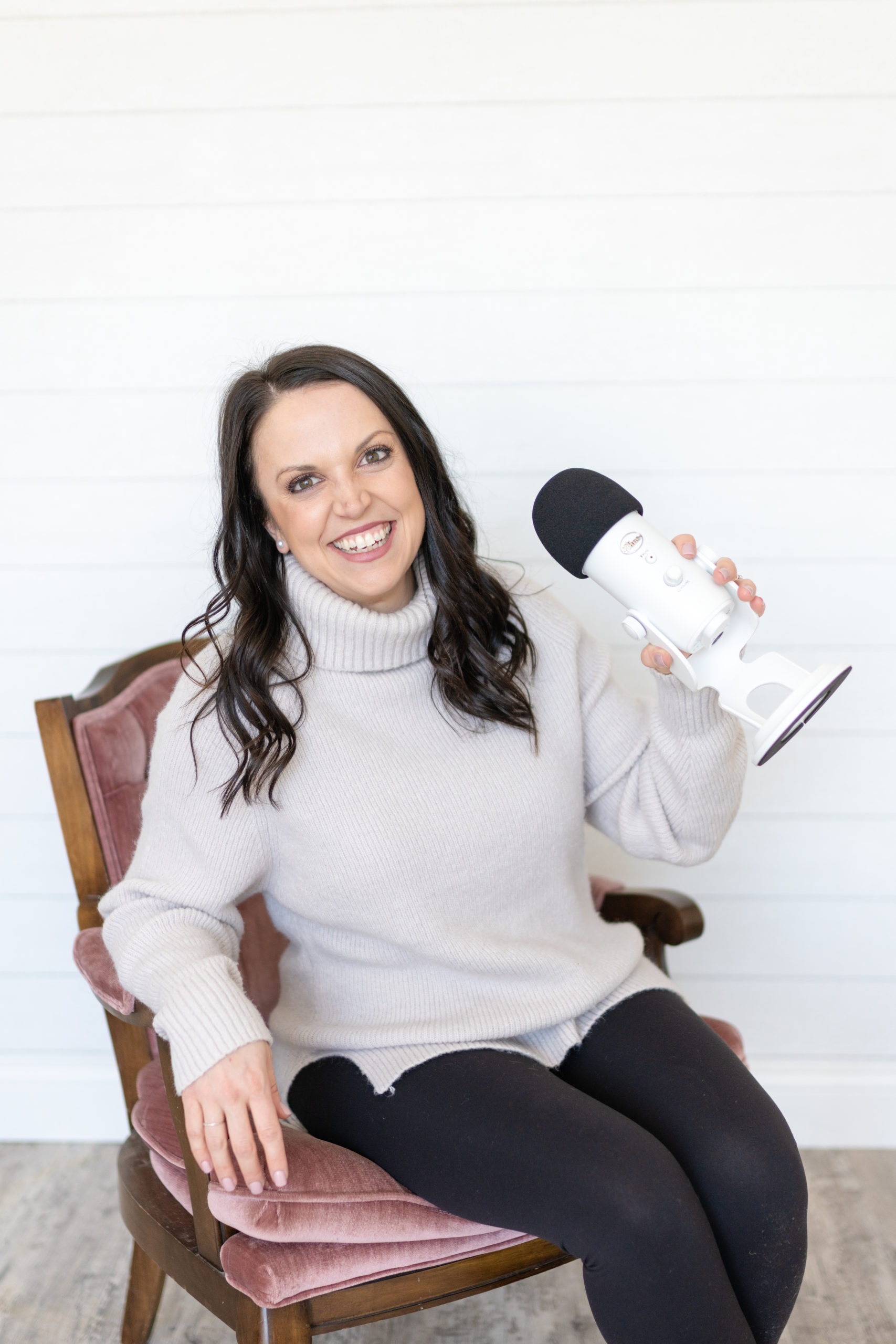
Rural America doesn’t need a rescue. It doesn’t need a policy paper or a pity party. It needs to be seen accurately, completely, for what it actually is, by the people who actually live it. That’s what this podcast has always been for. Founders. Builders. You.
So here’s what I found in putting this episode together, and what I’d ask you to sit with too. What has your own town, your own Main Street, your own neighbors taught you about what it actually takes to build something that lasts? I’d love to hear it. Send me a message, or find me on the socials, and tell me what you found.

































































































































Comments +