


For a long time there was a sheet cake in my future. Grocery store bakery, white frosting, a little blue piping, sitting on a table in the teacher’s lounge. My retirement party. Thirty-some years out, but I could see it.
Nobody ever told me to want that sheet cake. I just absorbed it, the way you absorb the words to a song that played on every station the summer you turned sixteen.
The Plan That Wasn’t Really Mine
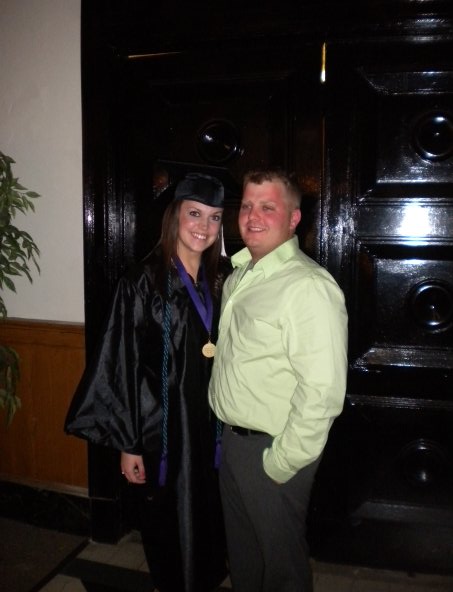
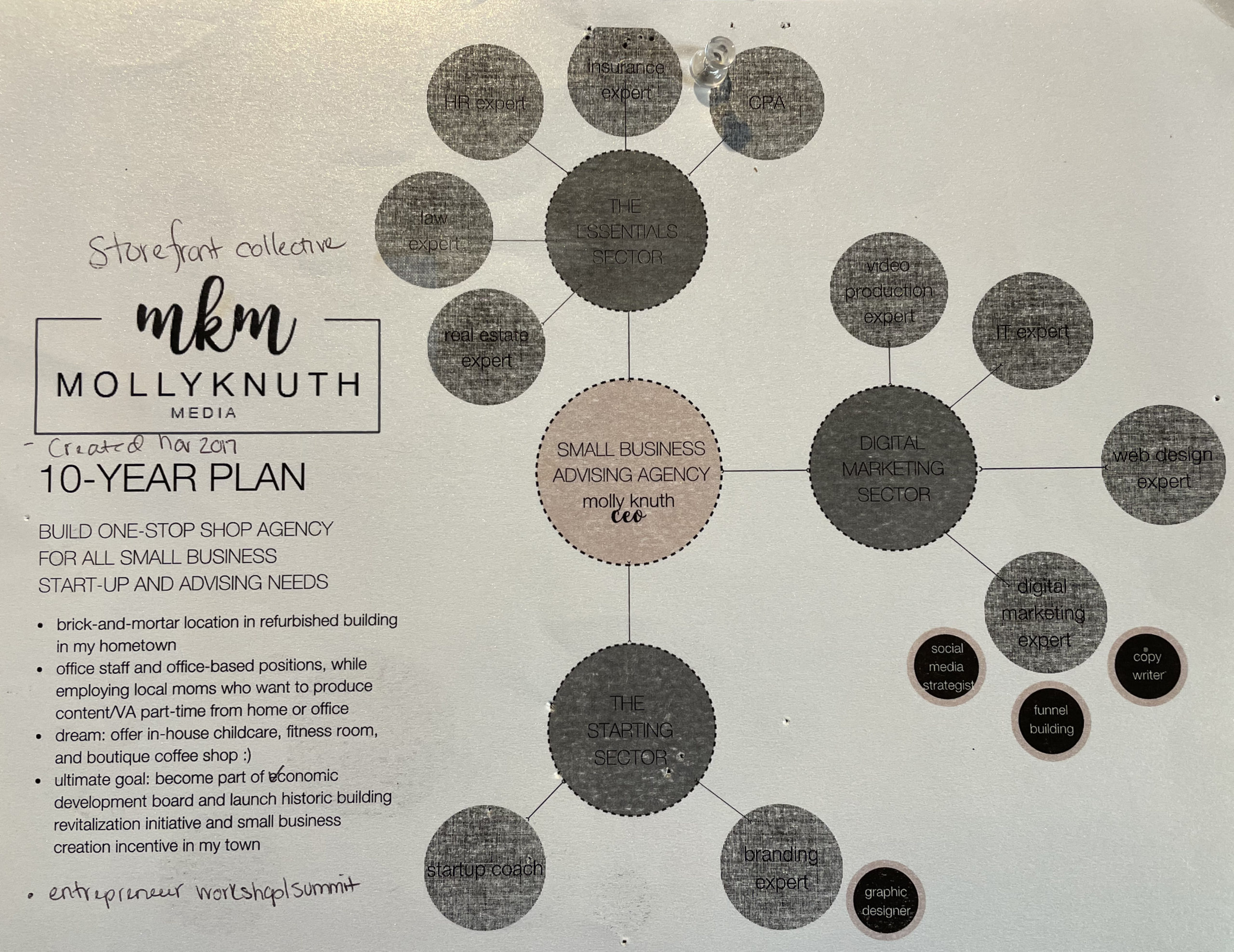
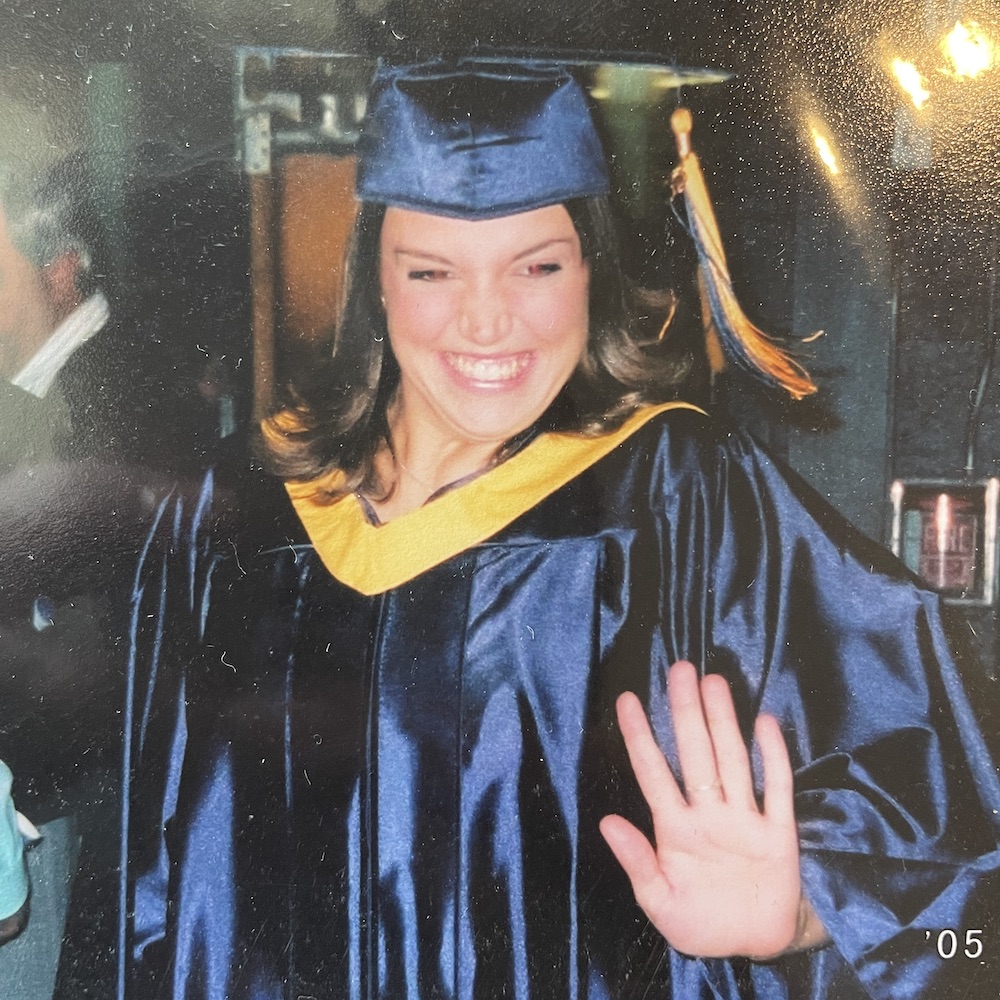
I graduated from Cascade High School in 2005, and I had a plan. If I’m being honest, it wasn’t entirely a plan I developed. It was THE plan. The one everybody I knew was following, the one we picked up from music videos and movies and magazines without anyone sitting us down for the lesson.
Go to college. Get the degree. Get the good job, the one with the benefits. Stay there. Retire.
And I ran it.
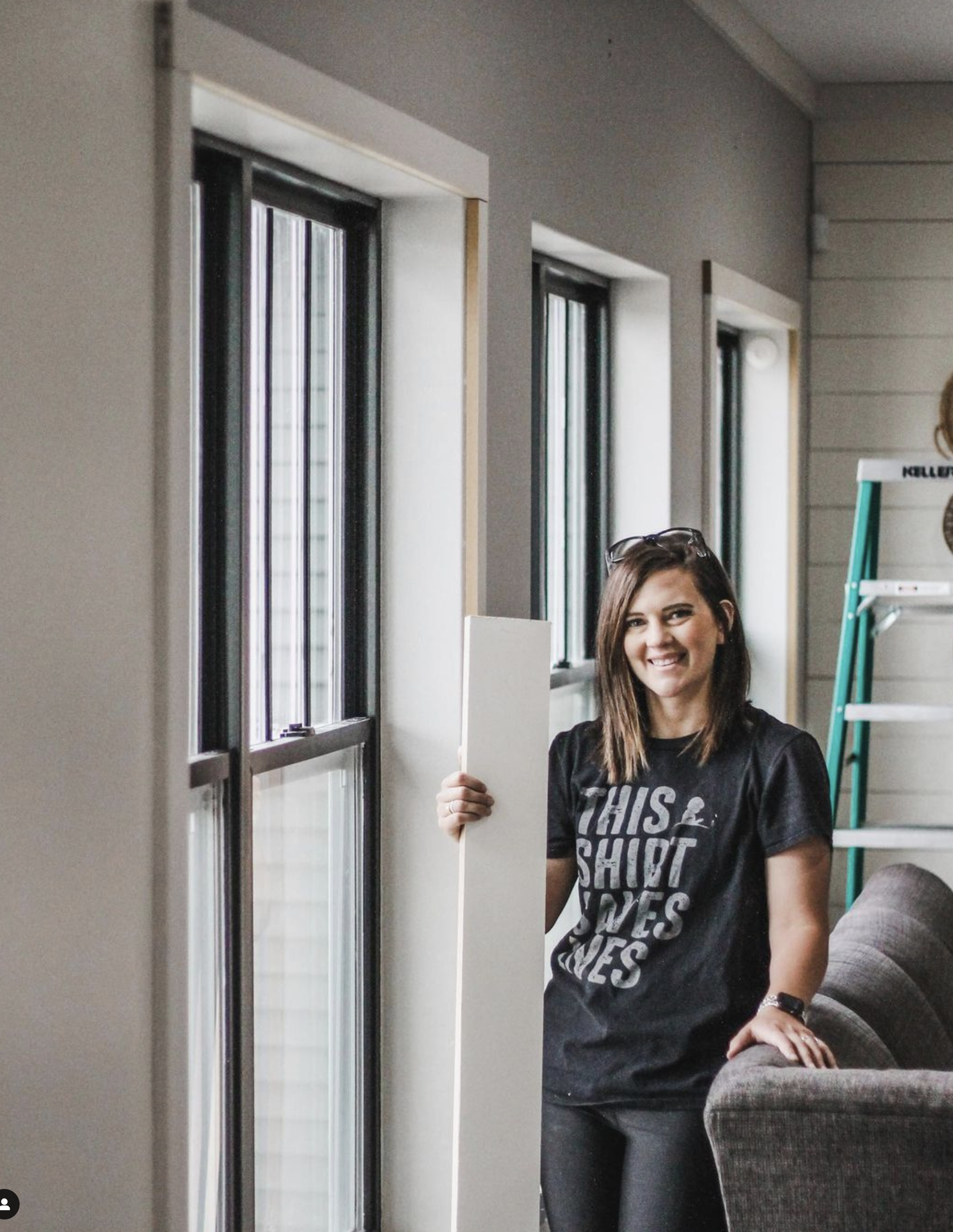
By 2014 I was a 26-year-old teaching high school English in a Calvin Klein sheath dress and heels four out of five days a week. Pregnant with my third baby. Checking every single box the blueprint handed me.
Growing up in a town of about 2,000 people, the model I saw over and over was this: once you got a job, you stayed. We are lucky to have industry here, and agriculture, and professional services, and a lot of the people I watched growing up went to one of those places and never left. Whether they liked it was kind of beside the point. Liking it was a bonus. The job was the job.
And if anybody started getting ideas, there was a phrase waiting for them: “The grass is always greener…” Said with a little look. A little warning.
What If the Grass You’re Standing On Is Brown?
Here’s the part people don’t always say out loud. Sure, the grass is always greener. But what if the patch you’re standing on is kind of brown?
Every job has hard days. Every business has hard seasons. Every town has its stuff. That’s real, and I’m not pretending otherwise. Running away from something isn’t the same as building toward something.
But moving toward something might offer you what standing in the same spot never will.
Let me be really clear: this is not me telling you to march into your boss’s office tomorrow and quit. Please don’t email me to say you did that because of a podcast. I’m just poking a few holes in the blueprint, because a lot of us followed it to the letter and are still wondering why something feels off.
Nothing Is Wasted
I want to say this plainly, because I mean it: the blueprint wasn’t bad. It gave me a lot.
That classroom taught me how to read a room. How to explain hard things simply. How to hold the attention of a bunch of seventeen-year-olds who would rather be anywhere on earth than in a unit on Shakespeare. If you can lead a classroom like that, you can absolutely run a meeting…and your own business.
Nothing is wasted, my friend. Nothing.
But somewhere after the degree landed in your hand, things changed. You learned things about yourself at 35 that you couldn’t have known at 18, when you picked a major based on which professor was nice to you at orientation. You figured out what you’re good at, what drains you, and that the thing you thought you wanted was mostly the thing that showed up first.
Circumstances shifted too. Kids came along. Maybe a parent needs more of you now. Maybe the job you thought you’d have forever went away, or the farm had a really good year, or a really, really, really not good one. Life moves the furniture around whether you ask it to or not.
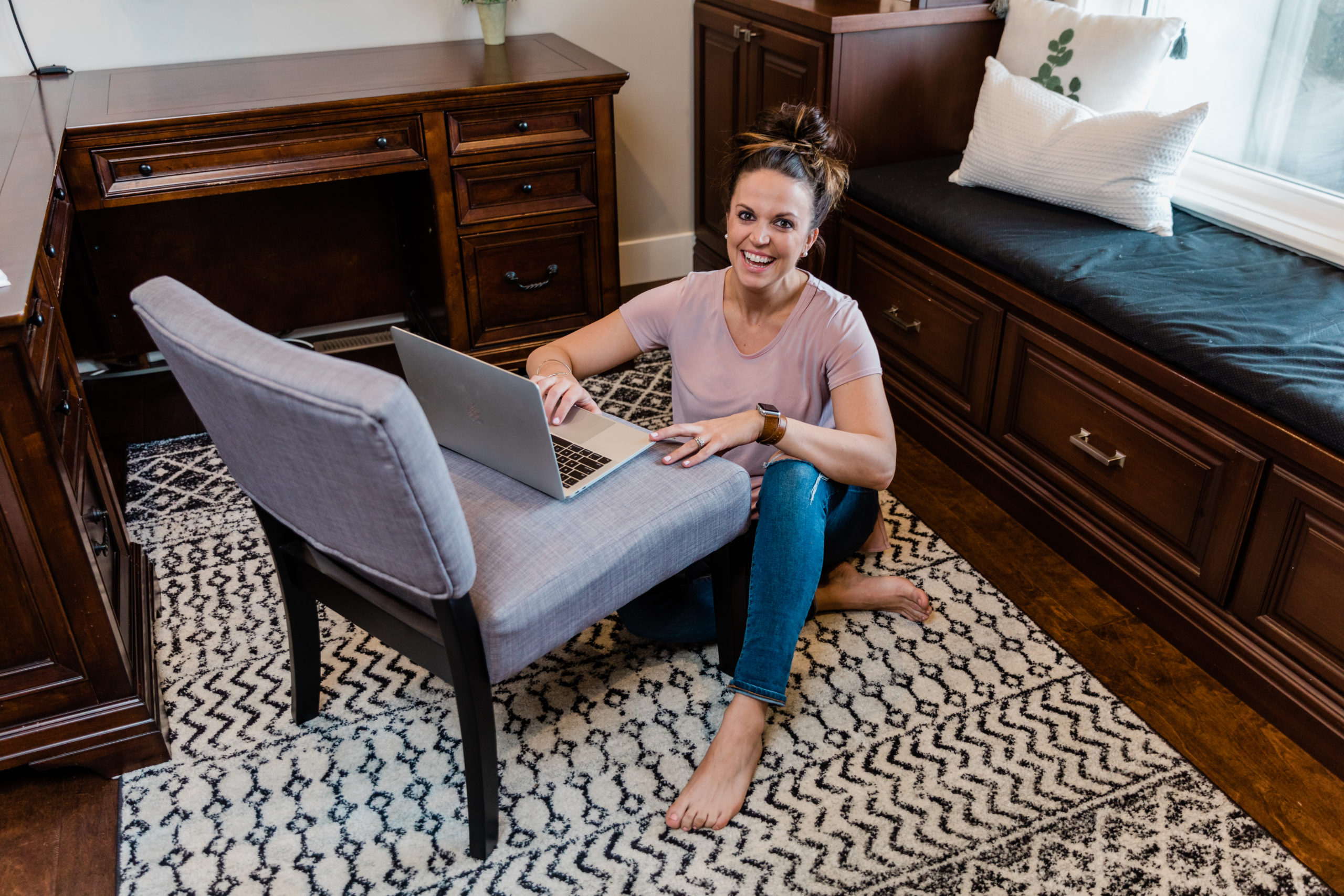
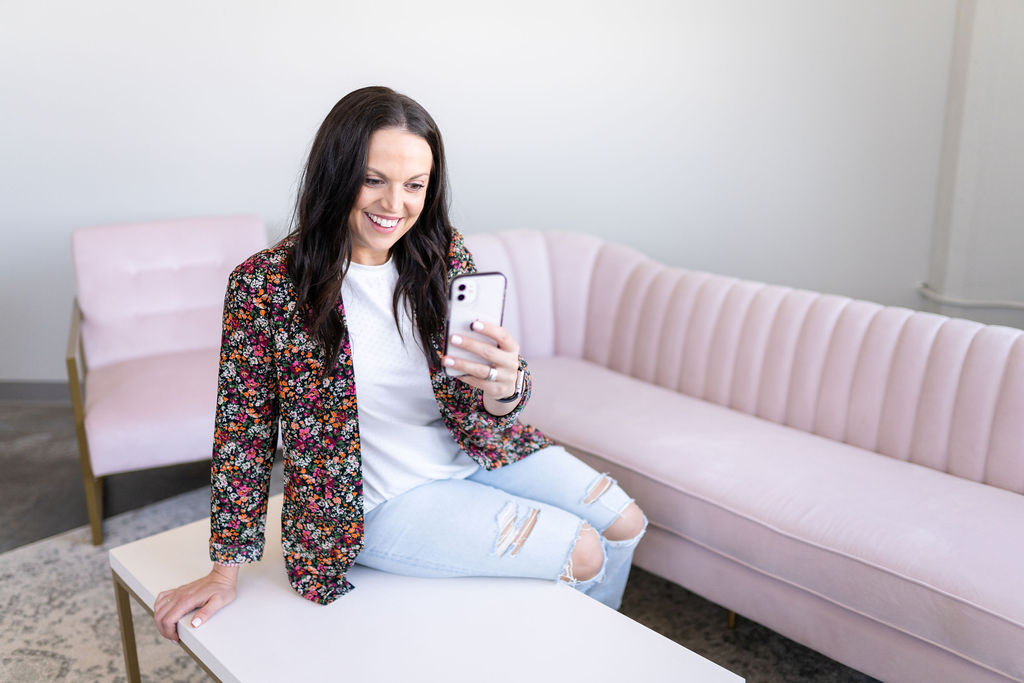
And the world changed. In 2005 I was still pulling information out of an encyclopedia, and if you lived in a town of 2,000, your options were whatever sat inside a 30-mile drive. Today a woman in a small town in Iowa can serve clients all over the country from her home office, in a baseball cap and leggings, with a blanket on her lap and coffee within reach. (Hi. It’s me.)
So sometimes what we thought we wanted isn’t what we want anymore. That’s the part that feels a little dangerous to say.
We want other things. Not because we’re ungrateful or flaky, but because we grew.
Why We Stay Stuck
If we want other things, why don’t we go get them? In my experience, three things get in the way.
The first has a fancy name: the sunk cost fallacy. It’s the voice that says, “I’ve already put eleven years into this, I can’t walk away now.” Or, “I’ve already spent $1,500 getting this business off the ground, so I’d better keep spending.”
Sometimes that’s true. But sometimes it keeps us holding on to something that stopped serving us a while ago. The years are gone either way. The only question is what you do with the next one.
The second is OPO: other people’s opinions. In a small town, OPO can run the whole game. It’s at the grocery store, at the ballgame, in the meeting after the meeting, over beers on a Friday night. Everybody knowing everybody is one of the most beautiful things about living here. It can also make it feel impossible to try something new, because people get to watch you succeed or fail in real time.
The third is the reality of our commitments. The mortgage. The kids’ schedules. The people who count on us. Real things, and a lot of them good things.
None of these are character flaws. They’re weight. And weight is something you can learn to carry differently.
What I Mean by “Better“
When I say there’s got to be a better way, I want to be specific, because the world has been selling us its own version of “better” for about twenty years now: Faster. More convenient. Easier. More efficient. More categorized, so the algorithm knows exactly which box to put you in and what to sell you.
That’s not what I mean.
“Better” is the way that’s built on relationships and on knowing your people by name. A way that fits the life you actually want to live, in the place you actually live it.
And it doesn’t stop with you. Nobody exists in a silo, especially not in a small town. What you build moves through the people in your home, the homes on your street, the streets in your community, and out from there.
Start With Future You
Fuzzy ideas don’t get built. Clear ideas get built.
So the first job is getting clear.
Here’s how I’ve watched it work, for me and for the Founders I work with. It’s a chain reaction. You start by imagining future you, and I mean specifically.
- What does she do on a Tuesday?
- Who does she work with?
- What does she not do anymore?
- How does she want to feel, and where does her time and money go?
- Picture the 80-year-old version of you and ask what she’s thinking, saying, exploring.
Then ask what habits future you would need to get there, and start a few of them today. Tiny ones are fine. Those habits give you evidence, and evidence shifts your beliefs. Beliefs shape your thoughts, thoughts stir up feelings, feelings drive actions, and actions get results. Then the results feed right back into the picture, and you get to dream a little bigger the next time around.
Notice I didn’t say you have to be ready. You’re never going to feel 100% ready. Ready is a myth we tell ourselves so we have a reason to wait. You just have to start.
My Wealthy Molly List (and Why I Giggled)
I’m going to practice what I preach. Earlier this year my coach, Katrina Klooster, gave me an assignment: write down Wealthy Molly. The version of me I’m building toward. Nothing too small, nothing too big.
So I did. Wealthy Molly strength trains. She works 8:30 to 3:30 and that’s it. She writes and shares her thoughts every day and checks in with her coaching clients on their growth. She drives a Yukon Denali XL Ultimate with the brown seats (yes, future me is bougie). She wears Lululemon or a power blazer. She’s drinking electrolytes or tequila. She eats 70% whole foods and 30% bagels and pasta, because she loves carbs. She has a patio where she drinks her coffee in the morning. She writes her husband love notes and hugs her kids every morning and night. She bakes sourdough and has mastered cheesecake. She sends handwritten cards. She laughs with her whole body.
And she doesn’t wear socks or underwear with holes in them.
I giggled reading that one out loud. Katrina, being a very good coach, didn’t let it slide: “What does that say about what you allow for yourself? What would it mean to have good things all the way down to the tips of your toes?”
Then she pointed out the bigger pattern. Every time I said something I really wanted, I laughed right after. Making it a joke so it wouldn’t feel real.
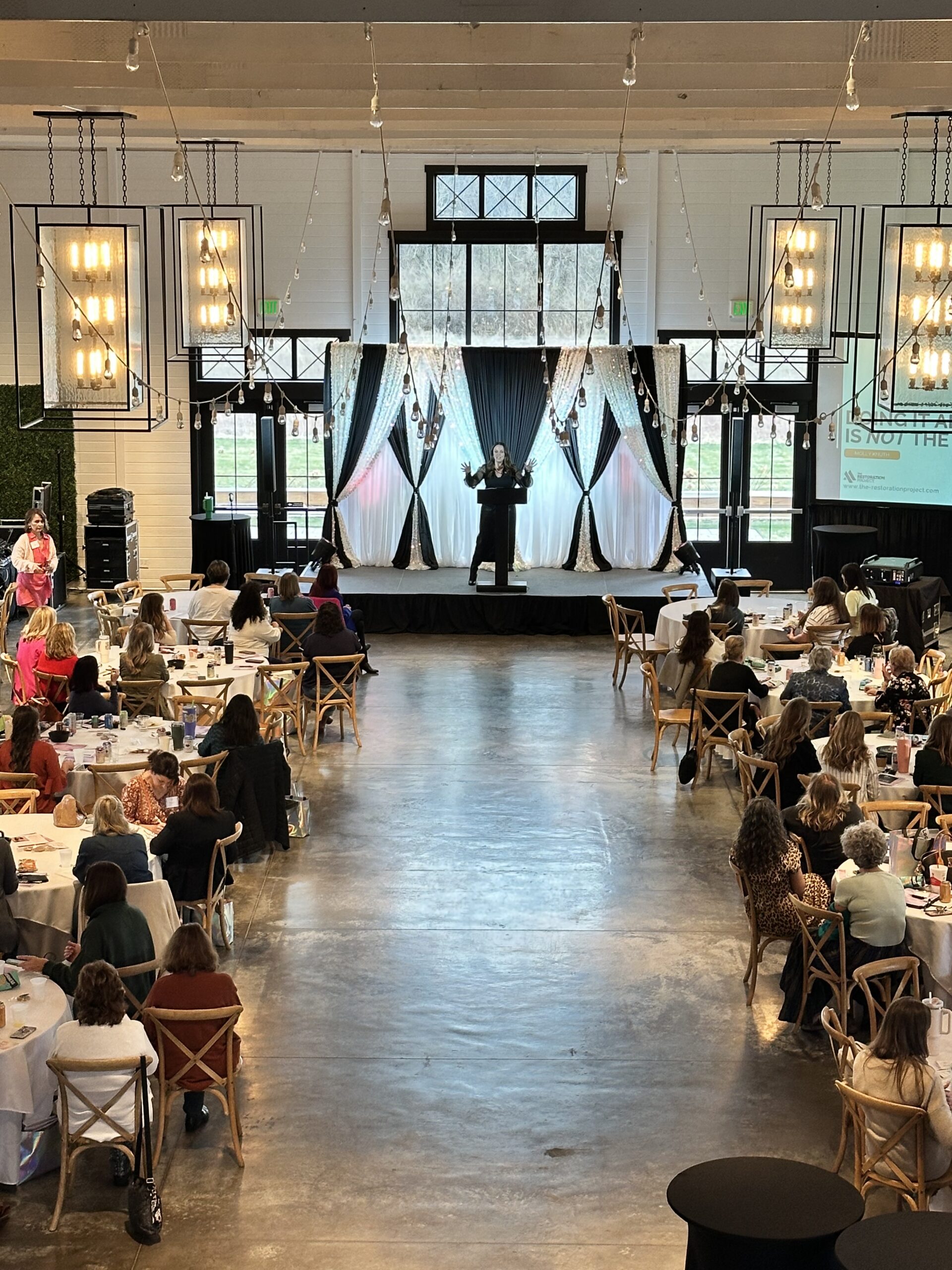
So here’s one I’m saying without the giggle. My mission is to build businesses and leaders in small towns: the marketing, the communication, the strategy, the leadership, all of it. And I want to be the Oprah of the Midwest. A voice and a platform and a media champion for this way of life.
April Molly would never have said that into a microphone. Today Molly did. It still feels scary. But that’s the chain reaction working, and I’ve got the evidence to prove it: I’m sending more handwritten cards than I used to. Not daily yet. More.
Where We Go From Here
So you might be thinking, okay Molly, I love this, but how do I actually do it?
That’s exactly where we’re headed next. The Found Framework series breaks down the five questions I hear most from small-town Founders:
- How do I do this?
- Where are my people?
- What do I say?
- How do I share it?
- How do I know it’s working?
- Almost everything a small-town business or organization gets stuck on lives inside one of those five.
Your homework until then is one thing: Spend ten minutes with future you.
Write down what “better” looks like.
Be specific.
Be a little ridiculous, like I was.
You’re in good company.
FIND YOUR NEXT STEP
Start with the free Small Town Founders Workbook, your 2027 business and marketing strategy on paper: mollyknuth.myflodesk.com/smalltownfoundersworkbook
When you’re ready to go deeper, Found is my 12-week advisory program where we work through the five questions for your business or organization, together. Details at mollyknuth.com.
And tell me: if you answered How do I do this? with a picture instead of a plan, what would future you be doing next Tuesday?
Resources
- Katrina Klooster’s conversation on The Found Podcast from May 2026
- The Found Framework series begins Wednesday, October 21
- Your 2027 business and marketing strategy, worked out on paper. Grab the free Small Town Founders Workbook: mollyknuth.myflodesk.com/smalltownfoundersworkbook
Listen and Subscribe
Spotify: https://open.spotify.com/show/5YACTbRulN4NooX32NgzgV
Apple Podcasts: https://podcasts.apple.com/us/podcast/the-found-podcast-with-molly-knuth/id1530616432


































Comments +